
What to Clean After Severe Weather Events?
Clean After Severe Weather: Essential Home Recovery Tips
Severe weather does much more than create visible damage to your property. Rain, hail, ice, snow, and flooding will all negatively impact the beauty and function of your home. Many people typically wait until after the severe weather has ended to make repairs, but equally as important as repairing the damage is doing a good job of cleaning up after it has occurred.
Cleaning will help prevent additional damage to your home or business, will improve safety, and will allow you to return to a normal level of activity in your home and outdoor space sooner than would otherwise be possible if the cleaning is not done correctly. And yet: When you clear up debris, clean gutters and check for mould or water damage- even if you just take a few small steps- it can make the job of recovering a bit easier.
This guide contains information on how to conduct clean-up after a natural disaster, and deals with community tips to keep yards safe after a storm and to facilitate in the post-storm clean-up.
Prioritise Safety First
First of all, after a storm, don’t start cleaning until you have made sure that it is safe for you to get back to your house. Sometimes damage caused by a storm is the kind that you won’t be able to see at first quite easily. Watch out for power lines dangling overhead or lying on the ground. Exposed metal strands show when coating’s gone missing. Shards from shattered windows might be hidden nearby. Trees could land on your roof or block paths after storms. Even cracks along the base of walls matter just as much. Should sparks seem likely while clearing debris – dial emergency services fast.
Start smart: grab gloves, goggles, boots, and long sleeves before stepping near any mess. Watch your step when skies clear; broken glass or rusty nails might hide in plain sight. Water could carry unseen dangers, maybe oil, maybe worse. Move slow, look down, check around, then decide where to place each foot. Sharp things wait where rain pooled overnight. Think ahead, stay covered, keep hands shielded no matter how small the task seems.
Remove Outdoor Debris
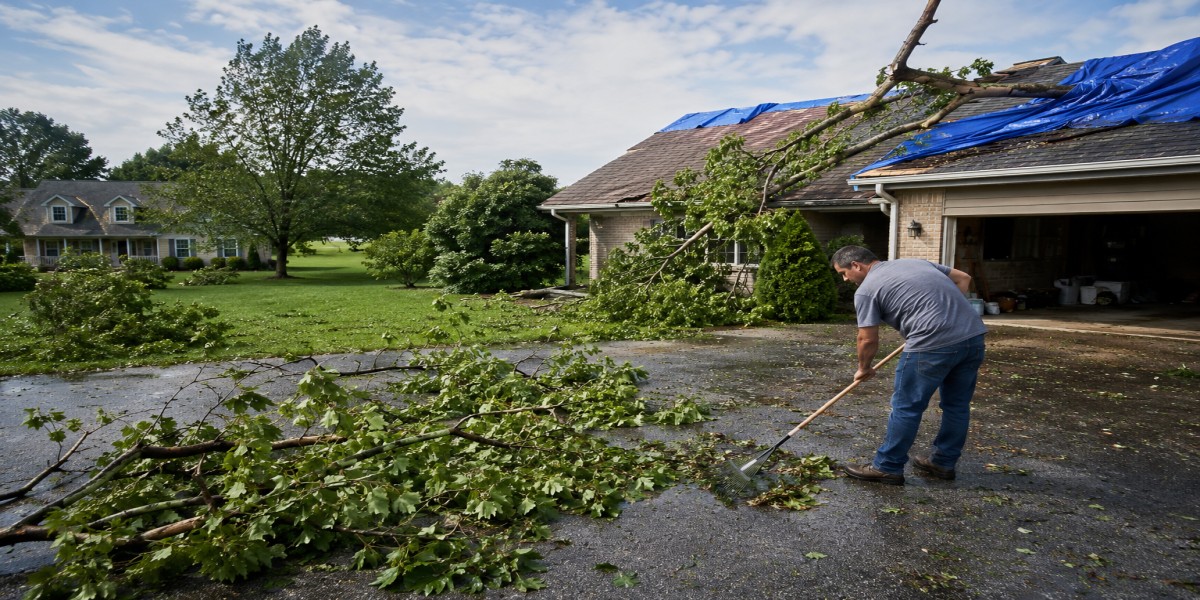
Cleaning up after a storm often involves raking leaves and other yard residues. A quick burst of strong wind could carry all sorts of things to your yard like big and small sticks, leaves, trash, and other such materials. Also, it is a wise decision to first clear the bigger debris from the driveway and the sidewalk, as this will not only give you better access but also prevent you from tripping over these objects lying on the ground.
A yard clean-up after a storm and a yard clean-up in general after you’ve raked up fallen debris and cleared away dead plant material from your garden, lawn and outdoor living spaces should include such items as inspecting your landscaping and checking defined beds and hedgerows.
When left behind, fallen limbs might block sunlight from reaching the ground below. Sorting kitchen scraps, paper, bottles, and general refuse helps keep cleanup easier later on.
Outdoor Debris Removal Checklist
| Area | Items To Remove |
| Driveways | Branches, leaves, litter |
| Lawns | Fallen limbs, debris piles |
| Gutters | Leaves, twigs, dirt |
| Patios | Loose objects, mud |
| Garden Beds | Broken branches, rubbish |
| Roof Areas | Visible debris and leaves |
Prompt debris removal also prevents further property damage and enhances safety.
Clean Gutters And Drains
Water pours down hard, sweeping loose debris along sidewalks and yards. It drags leaf litter upward into narrow channels where gaps fill fast. Once stuck, gunk builds until flow stops completely. Stalled gutters let liquid climb over edges, spilling sideways when storms hit again. Moisture creeps beneath shingles if drains stay jammed long. Foundations face slow damage from repeated wet exposure. Check each section carefully, removing any buildup by hand or tool. Downspouts need attention too – ensure they guide runoff far from exterior walls. A steady stream from a regular hose usually clears stuck material inside pipes.
Out in the open, give those outside drains a once-over every couple of weeks – yank out the muck, leaves, whatever’s stuck. Water that moves freely means your lawn stays firm, not soggy, when heavy rain rolls through. After storms hit, most homes here need someone checking gutters- a simple fact. Skipping this invites trouble faster than anyone expects.
Address Water Damage Quickly
Heavy rains accompanied by floods may introduce a lot of water into our houses without even seeking our permission. A tiny drop of water, when ignored, can turn into a huge mess. It pays off to understand what water damage looks like. Check ceilings first, then move to walls – also peek under carpets and across floor surfaces. Damp patches might show up, sometimes paint wears oddly, or bubbles form without warning. Smells that seem off often tag along too. Moist spots, paint staining, bubbling, or weird smells are some of the symptoms that you can detect. To dry, towelling, mopping, wet vacuuming or professional drying equipment can be used.
Secondly, you can open your windows if the weather is fine and use fans for increased air circulation. Fast drying is one of the ways to stop mould from growing, and at the same time it will normally reduce the level of damage to the property. In situations where moisture, dirt, and flood residue have spread throughout the home, professional deep cleaning services can help restore a cleaner and healthier indoor environment. If, during the home’s flooding, the affected areas are quite large, then it is a must to call a panel of professional restoration services.
Prevent Mould Growth
Australia’s humidity can set the scene for mould after a damaging storm. Mould can start to grow 24 to 48 hours after water exposure. For this reason, moisture control needs to be emphasised during post storm clean-up.
Pay close attention to:
- Bathrooms
- Laundries
- Kitchens
- Carpets
- Wall cavities
- Storage rooms
- Roof spaces
Wash the dirtied areas with suitable detergents and air out the house properly. If the walls have big mould patches or if the issue keeps coming back, then a professional diagnosis is probably the last resort. The time when you have thoroughly scrubbed all the hard surfaces, you will likely want to rinse them with water.
Restore Outdoor Living Areas
Storms may cause serious damage to our yards, in particular to those areas where we sit and relax. Our chairs, tables, decking, trellis, and other outdoor items might get covered with a layer of soil, grass pieces, leaves, and other trash. Because of this, your very first act after the storm to get the top of the yard clean should be to focus on yard areas open to the sky. However, for cleaning concrete, bricks, and walkways of mud and other stains, a power washer might be used.
Cleaning, damage checking, and drying outdoor furniture thoroughly are your tasks before using them again. If stormwater, mud, or debris has been tracked indoors during the cleanup process, professional carpet cleaning services can help restore carpets and improve overall indoor cleanliness. Besides fences, retaining walls, and other garden structures that should be checked for storm damage and repaired as necessary, outdoor renovations help your home not only become safer but also become more beautiful.
Inspect Trees And Gardens
Trees and gardens tend to be the most vulnerable to damage when harsh conditions hit. One of the consequences of storms inside trees is the getting broken branches, which, if left hanging without being attended to, often means safety hazards. Getting rid of damaged limbs that you can safely reach from the ground level is a good idea. In the case of big or unstable branches, it serves no purpose to attempt to deal with them on your own; it is only qualified arborists who are equipped to handle such cases.
While cleaning the yard post-storm, look over plants for:
- Broken stems
- Uprooted shrubs
- Soil erosion
- Waterlogged garden beds
- Damaged irrigation systems
Removing dead or broken parts of plants not only help you plant to recover but also gives them a new lease on life. If the area around the plants is littered with the brightness obstructing debris, do clear that up as well. Believe it or not, minimal post-storm gardening can really set your garden on the right path for a beautiful future.
Deep Clean Indoor Spaces
After clearing the garden, shift attention inside. Storms push outdoor mess through gaps – dust settles, moisture sneaks in. Floors often need another pass, just like windowsills and frame edges get wiped down. Vacuum deeply where fibres trap grit; mopping works well on tile or wood. Towels help when pulling dampness from fabric – curtains, cushions, flat-weave mats left heavy by wet air.
Out there, when wind kicks up, grime slips inside – windows and gaps let it wander in. Air indoors isn’t always clean either; floating specks like dead skin from fungi or tiny rough particles stir things up too. Fresh HVAC filters help. So does cleaning the ducts. Cleaner airflow follows. Breathing gets easier after these steps.
Indoor Post-Storm Cleaning Priorities
| Cleaning Task | Benefit |
| Vacuum carpets | Removes dirt and debris |
| Mop floors | Eliminates mud and residue |
| Clean windows | Improves visibility and appearance |
| Wash fabrics | Removes moisture and odours |
| Replace air filters | Improves indoor air quality |
| Inspect hidden areas | Detects mould early |
An effective house cleaning can help bring your home back to normal after extreme weather chaos.
Create A Storm Recovery Plan
Planning for more weather can minimise your stress and make the cleaning up easier. Have essential cleaning supplies on hand such as:
- Strong garbage bags
- Gloves
- Sanitizers
- Flashlights
- Batteries
- Basic tools
- Tarps
Take photos of storm damage before starting big cleanup or repair work. These pictures can help with insurance claims. A basic recovery plan makes it easier for a homeowner to respond efficiently when the bad weather strikes once again.
Conclusion
Storms can spread debris of all sorts around your house, create moisture problems, and do other types of damage that aren’t always obvious. How to cope with the aftermath of the post storm cleaning is to create a to-do list. This should help you consider what needs to be done to secure your home, shield your house and keep mould and water damage at bay. Time is critical when it’s necessary to clean up after a storm, so the first thought should always be safety; the second, addressing moisture-related issues.
With good planning and ongoing maintenance, Australian homeowners have the potential to bounce back more quickly from extreme weather events and to maintain their properties in tip-top condition all year round. If you’re also looking to improve the comfort and appearance of your living space after a major cleanup, cluttered home cleaning tips to make it feel bigger offers practical ideas for creating a cleaner, more organised, and spacious-feeling home.
Related Posts

Cluttered Home? Cleaning Tips to Make It Feel Bigger
Cluttered Home Cleaning Tips To Make It Feel Bigger That tight squeeze between four walls?…
How to Clean Marble Counter for Bond Cleaning Inspection?
Marble countertops look beautiful in our kitchen and increase the show of our kitchen. But…
Best Way to Clean Air Vents and Keep Dust Away
Vent cleaning gets neglected during the normal house cleaning but it has great impact on indoor…