
Best Way to Clean Air Vents and Keep Dust Away
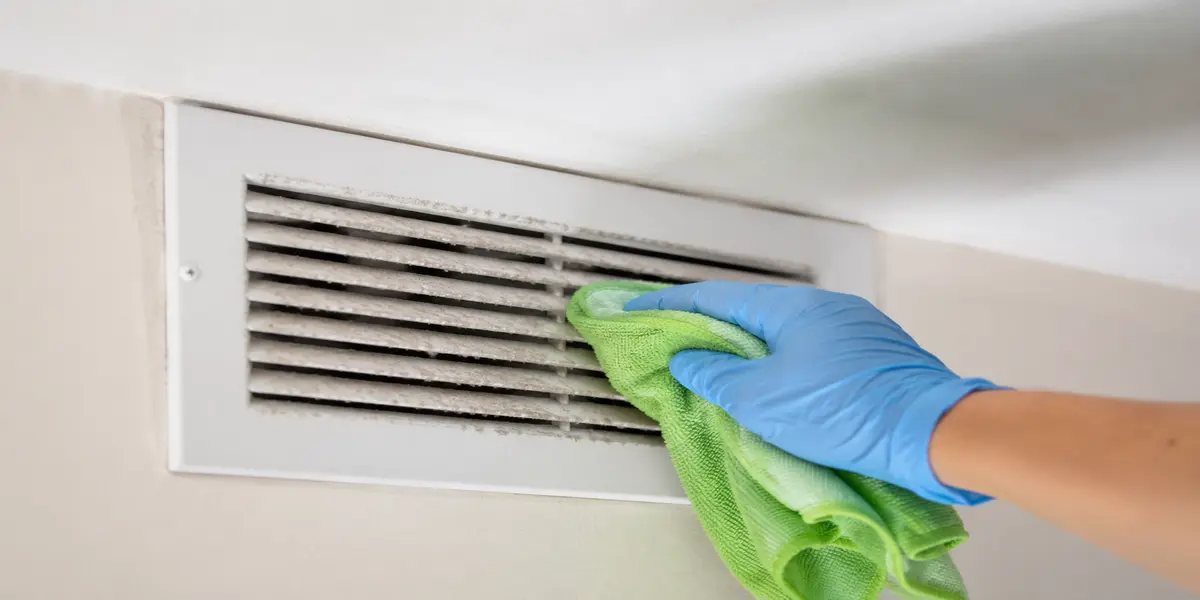
Vent cleaning gets neglected during the normal house cleaning but it has great impact on indoor comfort and air quality. Air vents are working fans, whether linked to cooler, warmer, or ventilating systems, that keep the air consistently moving through the home. Air also brings dust and fine particles, skin and pet hair, pollen, and other such gunk that accumulates over time.Australian homes are especially vulnerable to dust with our changing seasons, open windows, outdoor air currents and daily household chores. Dirty air vents cause air flow to feel weaker, and rooms can seem dustier, plus the air vent system may be working too hard.When carrying out cleaning these vents, you don’t require any special tools or costly materials and the steps to clean them are very simple.
A good air vent cleaning routine can reduce dust, increase air flow, and help a fresher indoor space remain. The best answers for cleaning the air vents, practical ways to do maintenance and small things you can do to keep dust manageable.
Understand Why Vents Collect Dust
The dust just seems to keep coming back so quickly even though many of those people clean their home and keep the dust level down. First of all, air vents are constantly re-circulating the air and the air is full of tiny particles that are trapped by the system. Dust is not only blown in from the outside.It results from fabric fibers, cooking particles, skin cells, pet hair and general household traffic. These particles accumulate in and around vent covers and within any accessible openings over time.Australian conditions can exacerbate this problem with warm weather, dry conditions and homes that are often sealed against ventilation or fitted with air conditioning heating.Dirty vents can be detected visually by dusty marks around openings, stale indoor air, increased cleaning or by a decrease in airflow. Knowing what you’re dealing with makes the air vent cleaning job easier and more successful.
Prepare Before You Start
Preparation ahead of time will make cleaning easier and faster, and not to mention will prevent spreading dust around the room. For instance, you should switch off air conditioner or ventilation system before cleaning to avoid dust circulation when vents are open. In addition, your tools or equipment are prepared in advance and keep one step you need from your hand will give you a smooth work flow. Typically what you need for routine maintenance is a vacuum with a soft brush tool, some microfiber cloths, a gentle soap solution, and a dry towel. In addition, when one is working on a ceiling vent, putting down a piece of plastic to the floor will make a catcher for falling dust.Proper preparation also prevents you from pushing too much moisture or dirt into the vent opening. Proper preparation is still one of the most underappreciated aspects of successful air vent cleaning.
Remove Surface Dust First
Clean should be dusted first and moisture is introduced later. The vacuum’s soft brush attachment can make it easy to safely dust vent covers and the adjacent area. Work very slowly and carefully around the edges to avoid pushing the dirt deeper. A clean dry microfiber cloth can be used to gently pick up smaller particles after the drape dust has been removed. One can make cleaning both sides of the vent easier by taking the cover off. Never spray water straight onto the vents as moisture can trap more dirt or create unwanted deposits.Removing the surface dust before a more thorough cleaning will produce better results and the look of the space will be instantly improved.
Deep Clean Air Vents
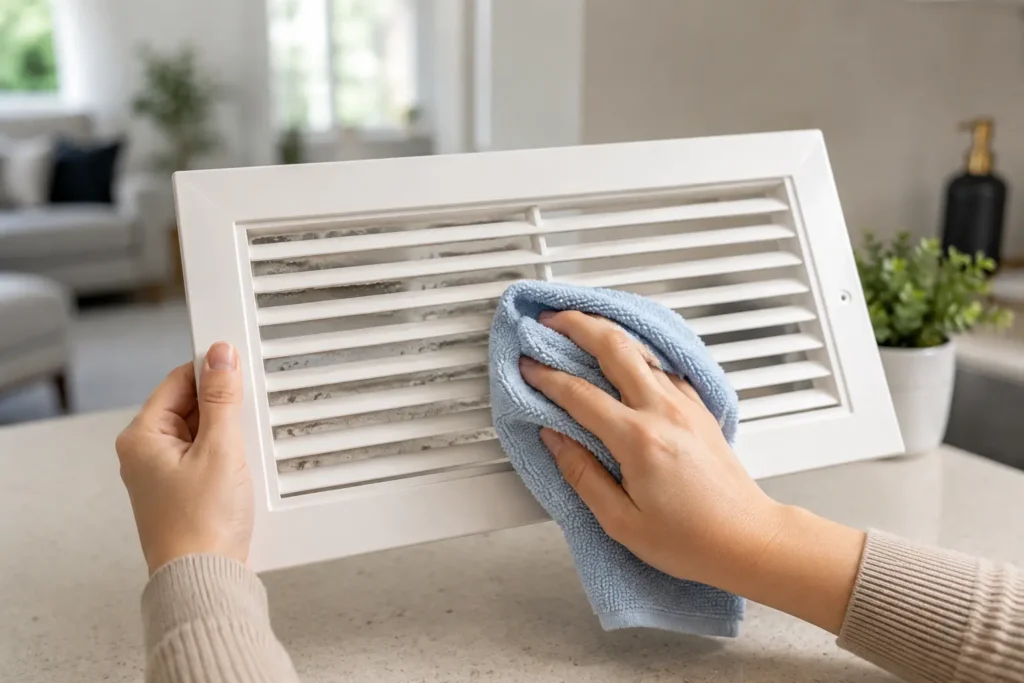
After using the first cleaning phase, a deeper cleaning helps to cleave up the residue that has built up and restore the vent surface. Pullover vent covers are most often removable and are suitable for washing in warm water with a very gentle household detergent.Let the covers soak briefly before wiping gently to remove any remaining grime.Pat dry after rinsing had been done. Moist vent screen covers can be put back on, but moisture can attract dust in turn and get your screens dirty once more. When routine cleaning is no longer enough, deep cleaning specialists may help address stubborn residue and accumulated dust. Vent accessible edges can be cleaned with a damp cloth, but do not go so far inside as to touch the deeper internals.
The aim of air vent cleaning is to enhance cleanliness without damaging the air duct system.
| Cleaning Area | Recommended Method |
| Surface dust | Vacuum with soft brush |
| Vent cover | Mild soap cleaning |
| Vent edges | Damp microfibre wipe |
| Drying stage | Complete air drying |
| Final finish | Gentle dry polishing |
Periodic professional cleaning contributes to promoting more efficient air flow and helping to maintain dust under visual control throughout the home.
Improve Indoor Air Quality
While you’re cleaning the ducts, you should also consider ways to improve your indoor air quality so you can keep your efficiency as high as possible.Dust particles that rest undisturbed around the house will find their way back into the vents, “that’s why the cleanings cannot guarantee a one-time clean.” Regularly changing the air filters is an effective way of decreasing the amount of particulates entering the system. Besides that, cleaner floors, soft furnishings and surfaces nearby make a difference in lessening the amount of dust present in the air.Dust levels are also influenced by ventilation practices. Homes in-road, homes in-dry dirt, homes in-construction dust and other outdoor elements tend to accumulating quicker more dust, and will your fresh filtered needs a little more TLC.Cleaner indoor air means a cleaner vent over time.
Reduce Future Dust Build-Up
It’s easier to keep dust out than clean it up after a heavy accumulation is built up.Preventive actions like those can slow how fast the vents get dirty. The cleaning of the walls, ceilings, curtains, and furniture in close proximity on a regular basis will reduce the available particles to become airborne through the ventilation system.Filter inspections and cleanings at other times of the year contribute to improved air flow and cleaner vent surfaces.Dust levels can vary seasonally in Australian homes too, so it’s worth investing in preventive measures. After care needed for breathing life tainted AN air vents long, and not Wheezing Now either air vents cleaning.
Know When To Clean
Many people don’t clean their vents until they’re visibly dirty.In fact, it’s the periodic maintenance that keeps the system running well.
What is recommended varies depending on household factors like having pets, amount of dust and how much the system is used.
| Household Type | Suggested Cleaning Frequency | Benefit |
| Standard household | Every 3–6 months | Maintains airflow |
| Homes with pets | Every 2–3 months | Reduces hair build-up |
| Allergy-sensitive homes | Every 2 months | Supports cleaner air |
| Dust-prone areas | Monthly checks | Controls accumulation |
Being aware of the signs like weaker air movement, accumulation of dust, musty odour, or faster dust settling indoors can help you determine when the cleaning is required.
Conclusion
Cleaning vents is a very easy way to A lot increase the amount of fresh air in your home.Not only will dust not be blown around your house as much if you keep up with regular air vent cleanings will it reduce dust, improve airflow and generally make your home cleaner.Correct air vent cleaning process,early removal of surface build-ups and the improvement of indoor air conditions will provide a longer lasting effect.Keeping on top of a few simple maintenance tasks and giving them regular attention means air vents will remain cleaner for longer, and go part way to helping provide that healthier, more comfortable Aussie home. Maintaining a cleaner indoor environment also becomes more important after storms and environmental changes, which is why understanding what to clean after severe weather events? can help support a healthier and fresher home overall.
Related Posts

The Smart Way to Set Up a Weekly Cleaning Routine
Have you ever felt that your house is dirty again only one or two days…
How to Clean Marble Counter for Bond Cleaning Inspection?
Marble countertops look beautiful in our kitchen and increase the show of our kitchen. But…
How to Use a Magic Eraser for Cleaning?
Worried about the upcoming bond cleaning inspection date and that the grease stains from the…