
The Smart Way to Set Up a Weekly Cleaning Routine
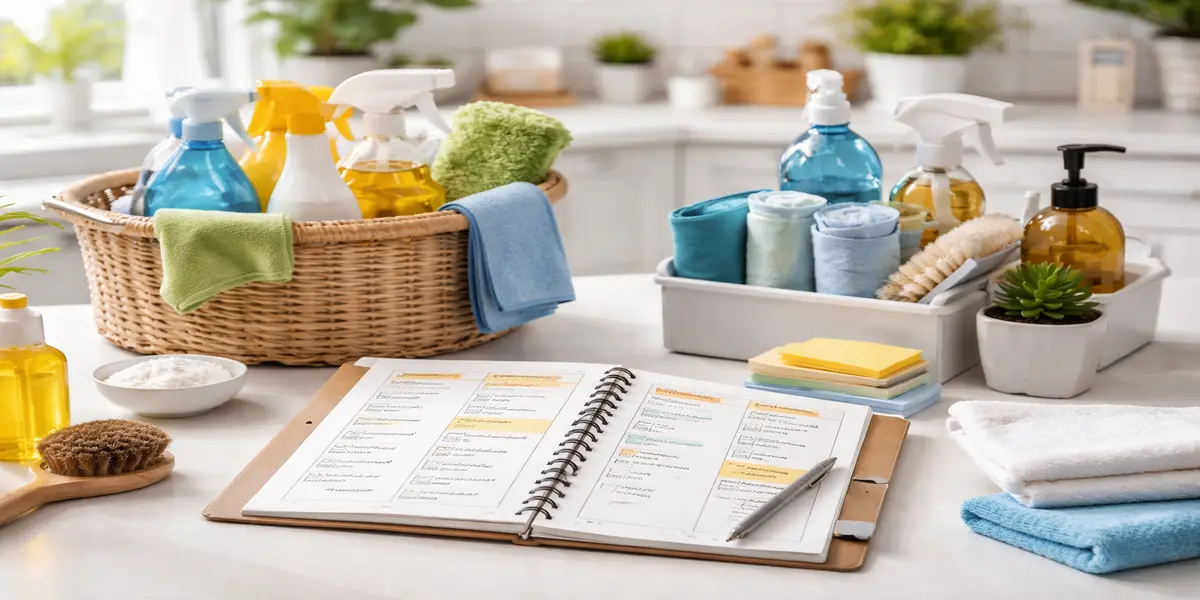
Have you ever felt that your house is dirty again only one or two days after you have cleaned it? You’re not alone. Most individuals take hours cleaning yet they become frustrated when clums and dust build up soon. The trick is not cleaning more, it is cleaning more intelligently in order to make your home always clean. With a good schedule of cleaning your house every week, you can easily keep your house neat without being stressed and tired. Rather than leaving it all to one day, a detailed routine will distribute the tasks over the week and cleaning should be easy and effective.
A weekly planning to clean your home which fits your style would then require you to know your house, how you live, and how much time would you be able to devote to your home chores. A schedule can turn cleaning into an easy routine when properly followed so that cleaning your house does not look like a nightmare.
1. Begin with Evaluating Your Cleaning Requirement
Your analysis needs to begin with your home assessment and your daily activities evaluation. Your deep cleaning schedule needs to match your specific requirements because every home has different cleaning demands. Families who own pets require their homes to be vacuumed more often than families who have children need to maintain their surfaces through scheduled cleaning.
Every space in the house requires assessment to identify the necessary weekly maintenance activities. The project needs its team members to execute all required tasks which include vacuuming of all floors and kitchen surface cleaning and restroom sanitizing and furniture dusting and floor mopping operations. The listed tasks will help you determine which activities need to be added to your weekly timetable.
2. Break the Tasks into the Week
It is one of the greatest errors that people commit by attempting to clean everything during a single day. This strategy will result in burnout and frustration in a short time. Rather separate tasks on various days of the week. You will also split certain tasks into days and this way you will have to think less of cleaning.
For example:
- Monday: Clean furniture and surfaces.
- Tuesday: Carpet and rug cleaning.
- Wednesday: Clean bathrooms
- Thursday: Wash floors and wash kitchen appliances.
- Friday: Clean up the mess and clean up the normally handled surfaces.
- Saturday: Change of laundry and linen.
- Sunday: Domestic cleaning and resetting of the house.
By doing so, you will be able to work on smaller tasks on a daily basis, as opposed to taking up a whole weekend to clean your house.
3. Focus on High-Traffic Locations
There are certain areas of the house that naturally become dirty. Kitchens, toilets, entranceways, and living rooms are usually the busiest area and should be included on your daily schedule weekly.
An example of this is that kitchen counters can be wiped down on a daily basis, and bathrooms can be deep cleaned on a weekly basis. Entryways may build up floors rather fast and thus, frequent vacuuming or sweeping may keep them clean. Putting up the posters in high foot traffic zones first you keep the places that the most people need them clean.
4. Make tasks Straight Forward and Attainable
Life should not be complicated with a cleaning schedule. You should avoid creating a cleaning schedule which requires daily cleaning activities that consume multiple hours of work time. Instead, you should select specific tasks which require between 15 and 30 minutes to complete.
People can achieve significant results through their daily completion of basic tasks which include countertop cleaning and dishwasher loading and room vacuuming. The cumulative effect of these tiny efforts prevents dirt and clutter from accumulating. Regular attention to small appliances and household tools can also help maintain their efficiency and extend their lifespan.
5. Checklists Can Help You Be Organized
A cleaning checklist that is done weekly is an effective tool of keeping up. Jotting down tasks is beneficial as you can recall what to do and you also feel that you have accomplished something when you cross tasks on the list.
You may make a simple checklist list on paper, a printable chart or you can even take a digital planner. They can also leave the list on the fridge or a board where it can be seen by the other members of the house so that they can be encouraged to contribute to the housekeeping.
6. Engage Everybody in the Home
It should not be the task of a single person to clean. Sharing a schedule can be used to evenly share the tasks and make sure that no one will be left out of the chores of keeping the home tidy. This collaboration strategy can also impart children with the right habits concerning being organized and responsible.
7. Make Schedule Adjustments as Necessary
Life is unpredictable, and sometimes cleaning routine will not go as scheduled. Once your schedule begins to be overwhelming or inconvenient then change it. The secret of making a lasting routine is flexibility.
You may choose to do the tasks together, alternate cleaning days, or redirect some of the cleaning to the weekends. The idea is to identify a system that will be easily incorporated in your daily life.
Conclusion
One of the best methods of keeping the house tidy and comfortable is expert cleaning it weekly. This can be done by distributing the work over the week, prioritizing areas and ensuring that the routine is easy to follow which will result in a system that fits your way of life.
It is not that you should be perfect, but consistent. It can be done in small steps that happen day by day, but it can make the house look good, homey, and free from stress. Once you have the right plan, cleaning will not be such a burden, instead, it will be a manageable habit that ensures that your living environment is looking its best.
Related Posts
Keeping Your Carpets Fresh Through Every Season
Carpet Cleaning Tips to Keep Your Rugs Fresh All Year Did you ever find your…
How to Remove Carpet Stains in High-Traffic Office Areas
In an office setting, carpets are subjected to frequent use and more likely to be…
What to Clean After Severe Weather Events?
Clean After Severe Weather: Essential Home Recovery Tips Severe weather does much more than create…